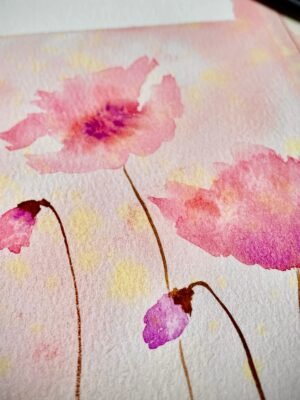
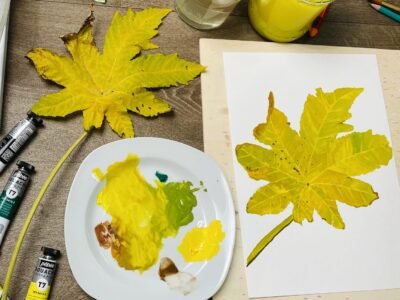
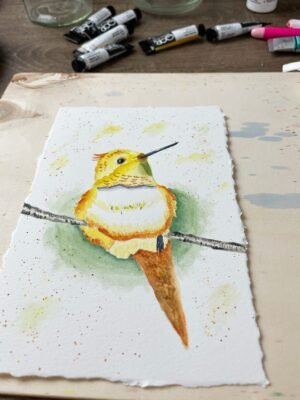
If you’ve been following my art journey in my 40s, you know I started with watercolor and gouache. But today, I want to talk about why I’m making a big switch to homemade charcoal. It’s not that I don’t like watercolor, but for me, painting with it felt like I was just coloring in the lines. I was either painting loose with minimal sketching, or I would trace a photo onto the paper. Tracing helped me create a foundation, but honestly, it took all the fun out of it. I realized I was missing the joy of building a painting from scratch. I tried to shortcut my way around learning how to draw, and while tracing sped things up, it didn’t make me happy.
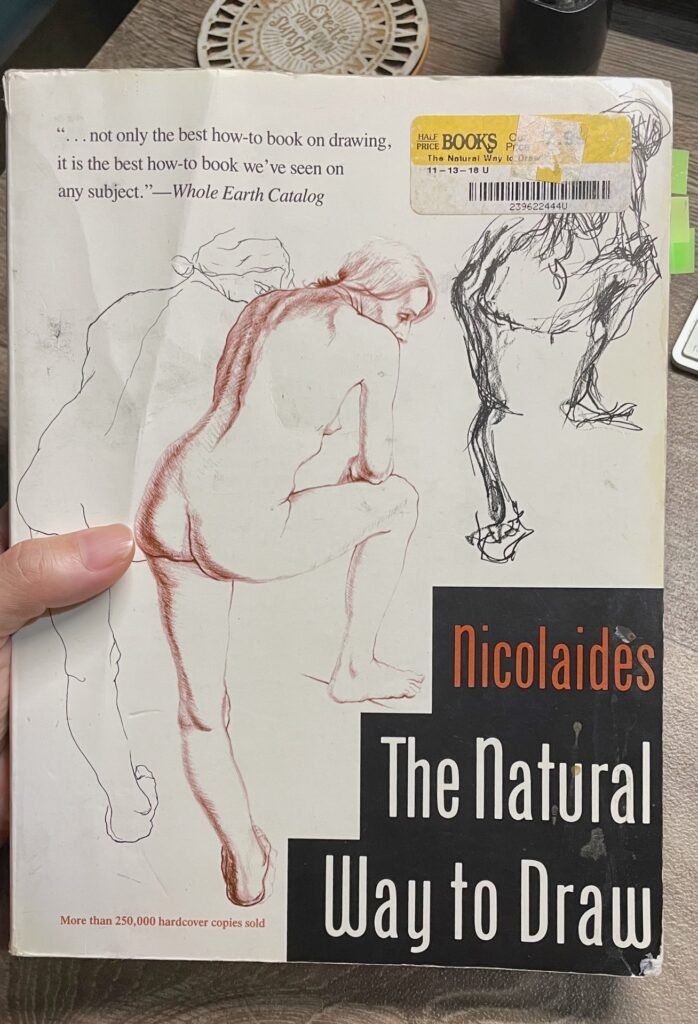
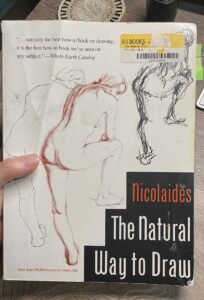
My “AHA” Moment Then I found two books: “The Natural Way to Draw” by Nicolaides and “Drawing on the Right Side of the Brain” by Betty Edwards. I started doing contour and blind drawings, and that was my “AHA” moment. I realized that if I don’t build my drawing skills, I’ll never truly enjoy painting. Tracing saves time, but it steals the magic of creating something from nothing.
Finding Order in the Chaos I’ve discovered that charcoal is so forgiving—even more than oil. And get this: I always thought charcoal was for advanced artists, but it’s actually perfect for beginners! It’s funny how most beginner tutorials are for watercolor when it’s actually a really tough medium to master. On a trip to Serbia to visit my partner’s family, we actually made our own charcoal. It turned into a family project—everyone helped from chopping wood to keeping the fire going. As a photographer for many years, I see the world in shapes, contrast, light, and shadow. Charcoal lets me work intuitively, finding order in the chaos. It’s messy and unpredictable, but so satisfying.
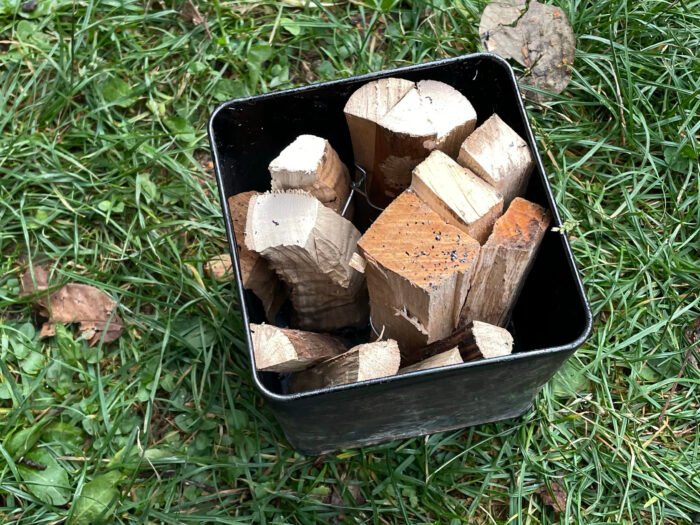
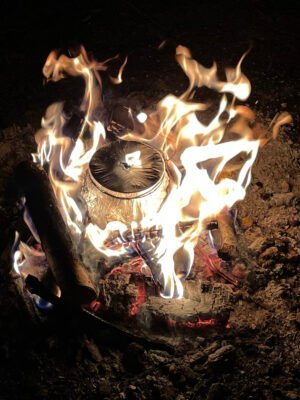
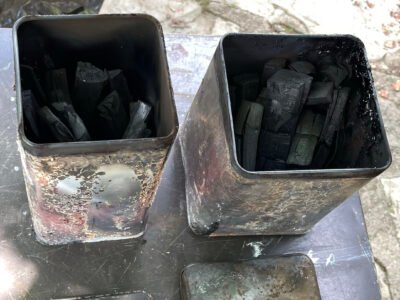
The Turning Point: Finding Forgiveness in the Chaos Everything changed when I put down the watercolor brush and picked up a stick of charcoal—specifically, charcoal I made myself in the Serbian countryside with amazing people. Coming from a background as a professional portrait photographer, I’ve always seen the world in shapes, contrast, and shadow. I love black-and-white photography because it strips away all the complexity and focuses on the emotion. Charcoal allows me to do the same thing on paper. Unlike watercolor, which can feel rigid and unforgiving, charcoal (and oil paint!) is incredibly kind to beginners. You can wipe it away. You can smudge it. You can change your mind. It’s messy, unpredictable, and deeply satisfying.
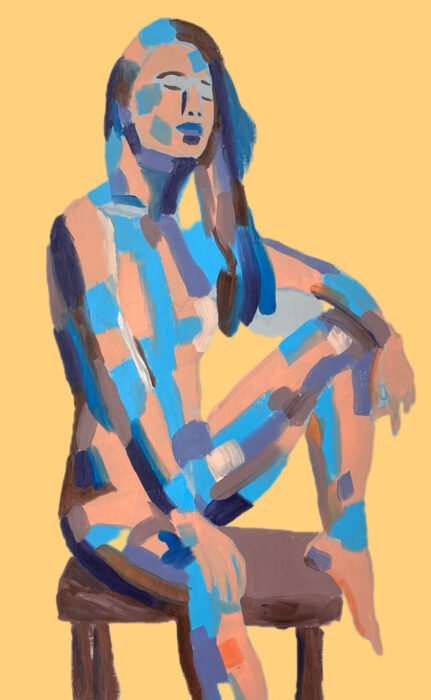
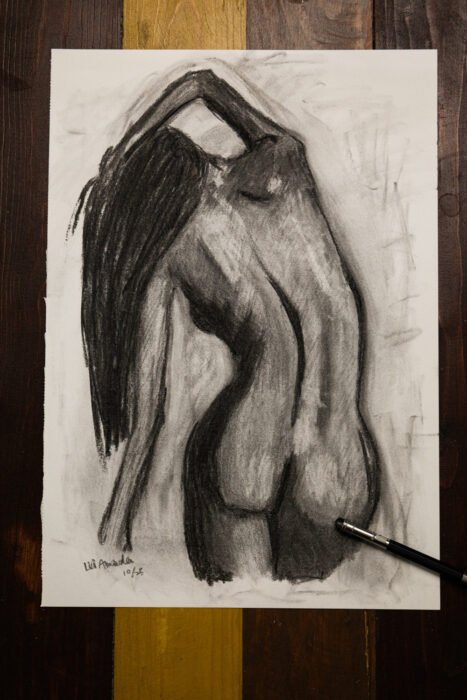
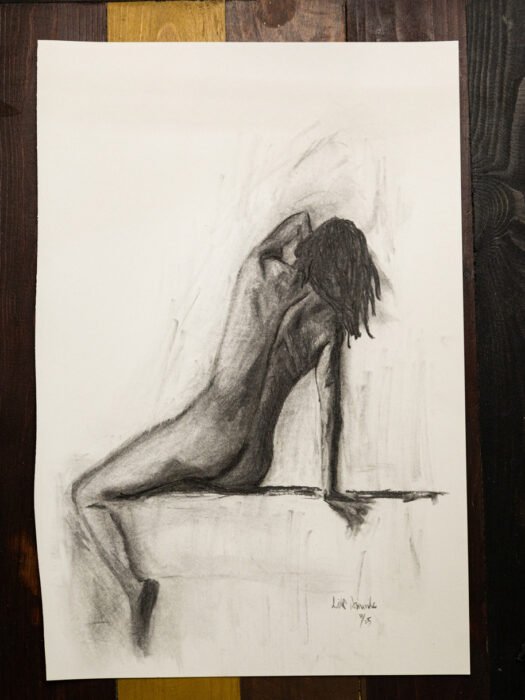
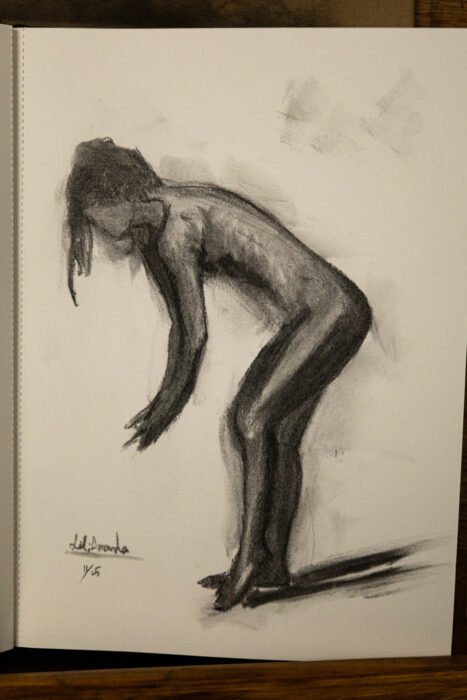
Entering the Nicolaides Challenge Realizing that “shortcuts” weren’t making me happy, I decided to go back to basics—the real basics. I’ve started the Nicolaides Challenge, based on the classic book “The Natural Way to Draw”. It’s a commitment: 5 hours per week of intentional, daily practice. No tracing. Just contour drawing, gesture drawing, different drawing exercises and learning to actually see.
What’s Coming to This Newsletter I’m moving away from “perfect” art and leaning into “process” art. Here is what you can expect from this Substack moving forward:
Build-in-Public Updates: I’ll be sharing my progress through my 1-hour-a-day version of the Nicolaides schedules. Professional References: As a photographer, I know how hard it is to find good art references that are not like stock photos or inappropriate. I’ll be sharing high-quality, kid-friendly art references that I’ve shot myself. You can draw along if you like.
The DIY Art Lab: More on how we made that homemade charcoal and other ways to make art sustainable and personal.
I would love to hear from you: Have you ever felt “stuck” in a medium? Have you ever used a shortcut like tracing that eventually started to feel like a cage? Leave me a comment below and let’s talk about the messy, beautiful process of starting over.
Stay creative,
Lili Amanda