Why I am Showing You My Ugly Drawings – Sharing Week 4 Drawings
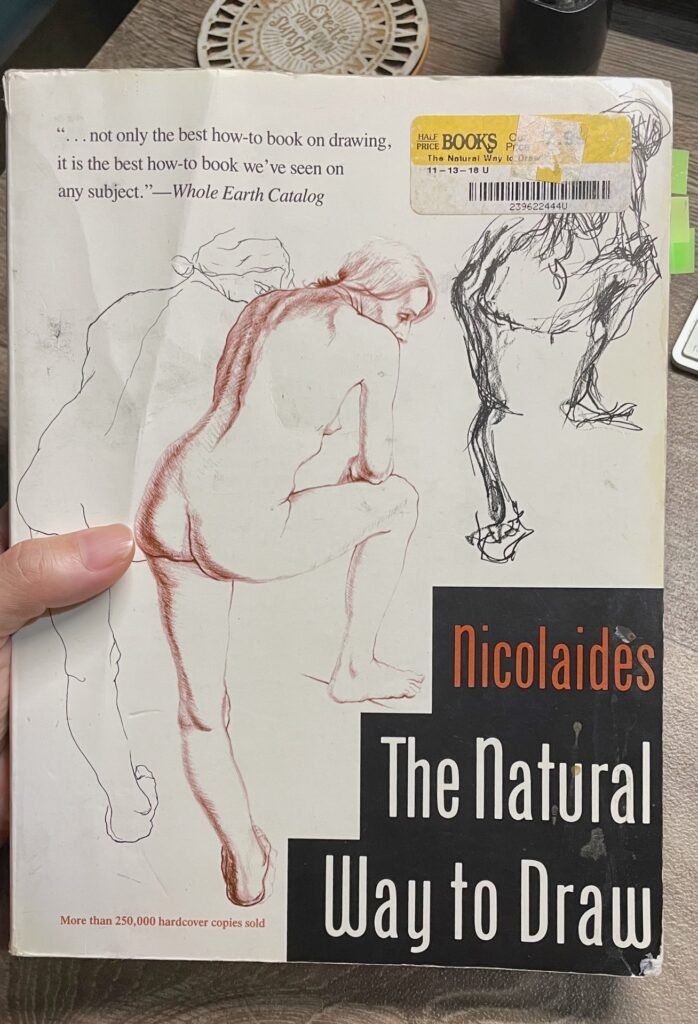
The Project: I am a professional portrait photographer modernizing Kimon Nicolaïdes’ 1941 classic, The Natural Way to Draw. I am "debugging" the original, intimidating 15-hour-a-week schedules into a manageable One-Hour a Day Drawing Challenge. Follow along as I share my weekly progress, breakthroughs and custom reference photos.
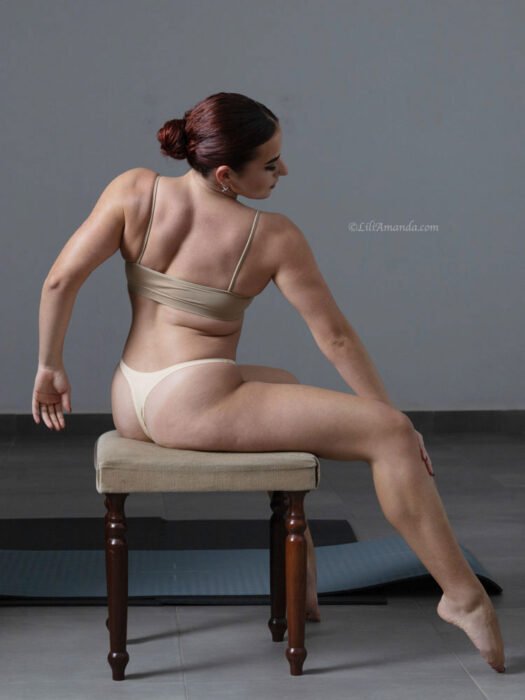
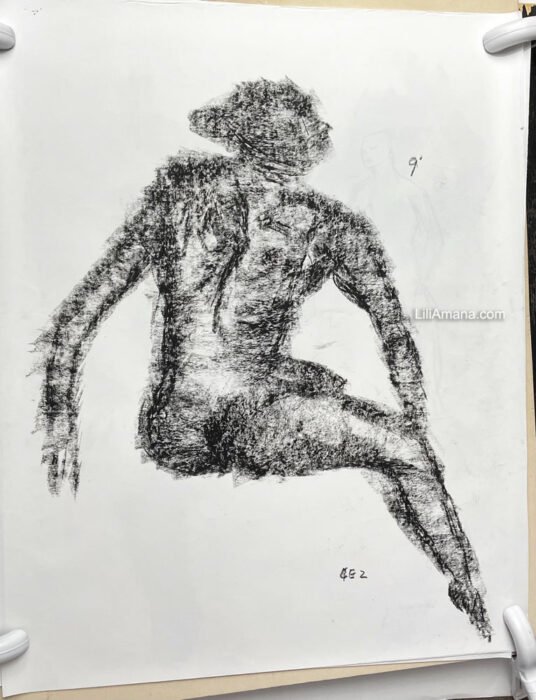
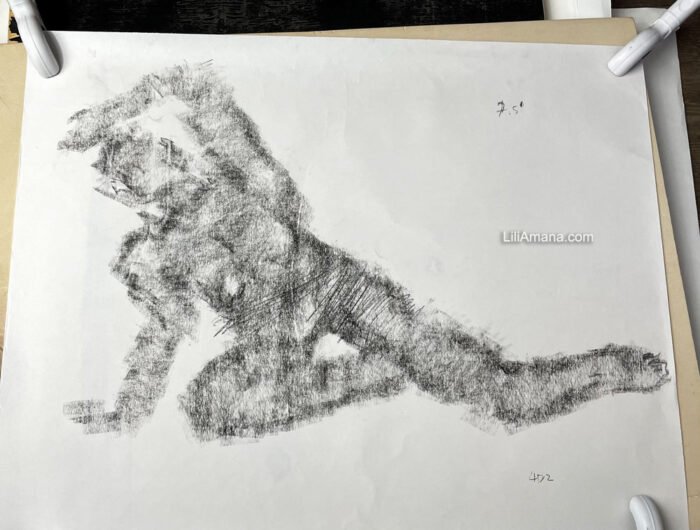
The drawings are ugly, but they are full of effort and cannot be dismissed. These drawing exercises are designed to work on your “brain,” not for producing a final result. They are meant to be ugly. In fact, Nicolaïdes suggests you should only worry if your first studies look too “correct” because it might mean you aren’t having the right experience.
Correcting the Five Thousand Mistakes
Nicolaïdes famously wrote: “the sooner you make your first five thousand mistakes, the sooner you will be able to correct them”. You need to see your own mistakes in order to be able to correct them.
There were moments when I felt something was wrong with my drawing but had no idea how or where to fix it. It was because I didn’t yet have the ability to “see” the mistakes. Once you see the mistake, you can correct it. How do you learn to see them? Drawing consistently and furiously is the only way to go.
Energy Over Proportion
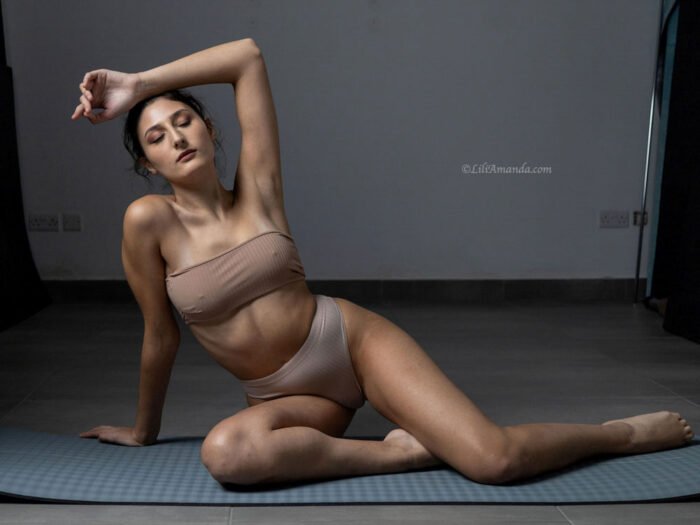
My studies might not have the proper proportion, correct angle, or accurate size of body parts, but they are charged with the energy of the senses. It’s not about what it looks like on the paper; it’s about the physical and mental activity used to put that energy there.
These exercises are designed to train your “brain muscles” and the coordination between your eyes and hand. Without this ugly stage, you won’t get to the other side—to the skill level you want to reach. Drawing ugly is a good thing, so enjoy the journey.
The Bonus: A Good Laugh
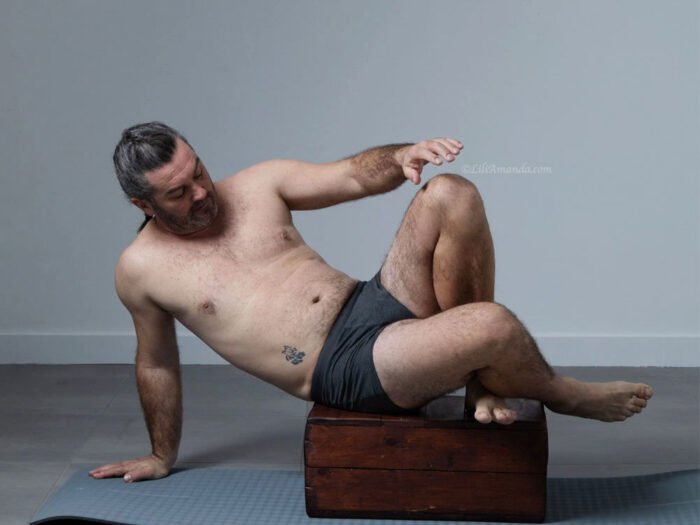
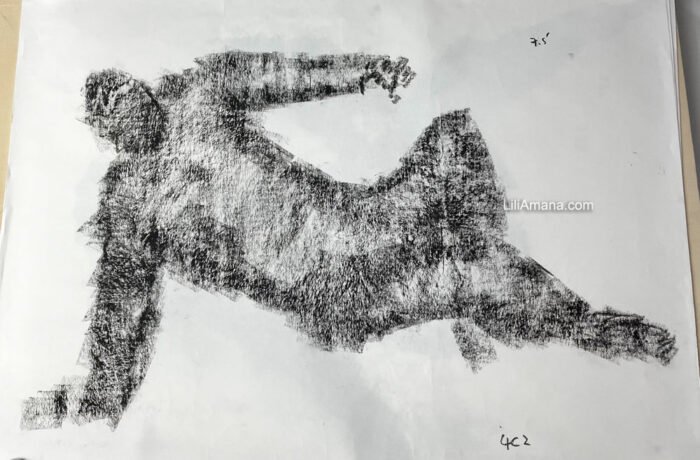
I had a good laugh looking back at my Schedule 3 exercises while I was working on Schedule 12. Even though I was struggling then, I can see my efforts and attempts. The results are comical. I had a good time looking back, and I believe this laughter is a bonus of doing these exercises.
Is it a Waste of Paper?
Do I think I’m wasting paper? No, not anymore. When I see my progress, I know that’s just what it takes. I purposely picked art supplies that I don’t feel “precious” about so I can feel free to draw.
Think of a carpenter: how much wood would they have to chop to become good at making artistic furniture? Maybe a forest? It is the same for any craft a person wants to master—using materials is what it takes. You have to walk through it. Don’t let the fear of “ugly” results and the thought of wasting paper become an obstacle that stops you from doing what you love.
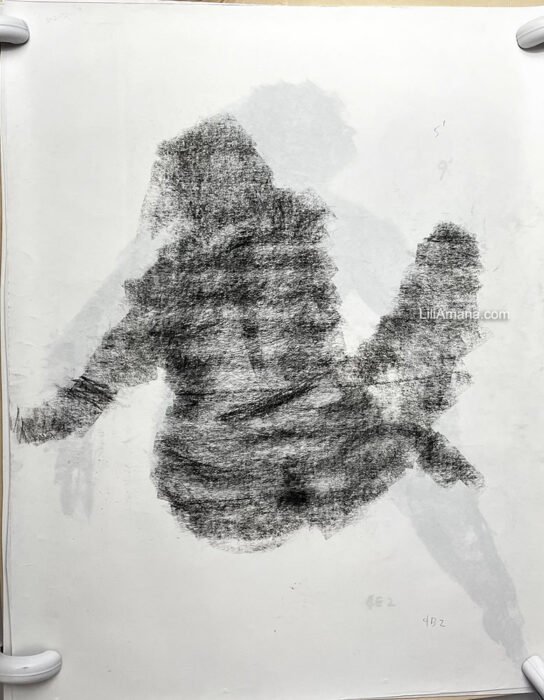
My thoughts on Week 4:
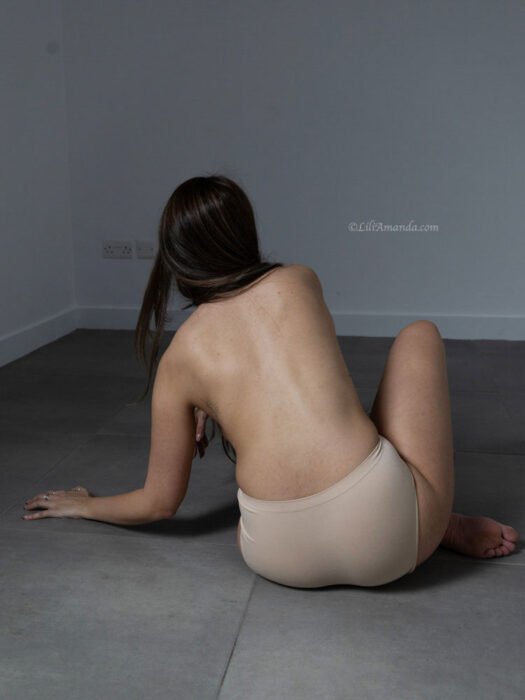
I hit a wall this week. I couldn’t prepare the reference photos for the new exercises in time, and I’m falling behind my schedule. Between shooting new references, preparing the files, and redesigning the 15-hour schedules into 1-hour sessions, it is a huge challenge. The quick studies are especially demanding—they require specific types of poses and different ways to capture them.
The “Moving Action” Breakthrough
For the Moving Action exercises, I made a pivot: I decided to use video instead of photos. From what I imagine how the exercise should be, video format simply makes more sense.
Gesture drawing remains my most important study. I’m looking for tutorials to help me draw exactly the way I want, but I’ve realized that gesture is the simplest form of expression. It’s an art to use just a few lines to convey movement, and it takes time to master. ( It turned out “looking for tutorials to help me to draw” was a mistake. I’ll tell you all about it later on.)
Struggling with Memory and Descriptive Poses
I’ll be honest: Memory Drawing is no fun. I struggle to remember the poses and my figures look like they were drawn by a kindergarten kid. I feel stuck here. I don’t yet have an “intellectual transposition” of the gesture, so I’m just going to keep going until I figure it out.
Nicolaïdes emphasizes seeing the figure as a whole.
When I focus too much on just one part of the body, it becomes too big or too long because of “focus distortion”—I see that specific body part as much larger than it actually is. Learning to see the whole is essential for quick gesture drawing.
The Descriptive Poses exercise feels funny (not ha ha funny) if you aren’t used to drawing from memory. It is designed to train you to get the figure gesture right using only your “structural imagination”. Right now, I feel like I can only remember how to draw a person at a basic kindergarten level—with no proportion, depth, or movement. When the figure isn’t right in front of me, I feel like I don’t know how to draw at all.
Distilling the Day
At the end of Schedule 4, I’ve started a new habit: reviewing my drawings weekly. It gives me time to distill and reflect. The difficult thing about gesture is that there are no “right or wrong” answers like math. That uncertainty is a little uneasy.
I know I can be too serious about everything I do. But perhaps that’s the way I am. I’ll keep having fun when drawing and debugging seriously.
Happy Drawing!
Lili Amanda