Why I Stopped Using Measuring Rules – Sharing Week 5 Drawings
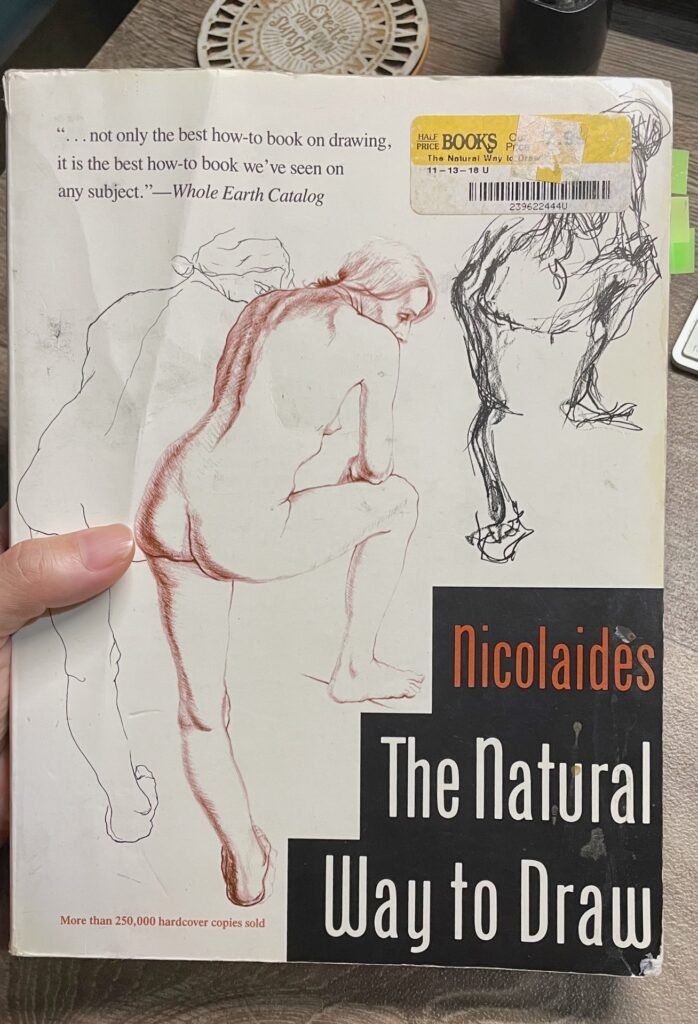
The Project: I am a professional portrait photographer modernizing Kimon Nicolaïdes’ 1941 classic, The Natural Way to Draw. I am "debugging" the original, intimidating 15-hour-a-week commitment into a manageable One-Hour a Day Drawing Challenge. Follow along as I share my weekly progress, redesigned schedules, and custom reference photos.
I look back on one particular experience when learning how to draw with ink. I joined a membership where the instructor used photos to demonstrate a measuring method. It was mostly contour line drawing and adding watercolour. The aim wasn’t to make it realistic or a perfect likeness; it was just to get the right proportions according to measurements.
When I followed those instructions, my drawings looked good. The instant gratification was exciting, and I felt like I knew how to draw. But something was missing. I couldn’t put my finger on it. I asked myself: Would it satisfy me just to draw contour lines that look like a cartoon or comic? The answer was no. I wanted something more—more expression, more flow, more vivid and tangible results.
The “Demi-God” Instructor Mismatch
I left that membership and started looking elsewhere. I bought many courses on Domestika, but so many were teaching tracing, measuring, or the grid method. There was one particular instructor whose artwork was fantastic—like Michelangelo. He taught the grid method in one lesson, but then he didn’t use it during his live drawing demonstration. I thought, Why is he teaching the grid but not using it? It didn’t line up for me. I loved his demonstration—just drawing straight onto the paper—but it felt like he possessed some genius “demi-god” power that I was too mortal to understand. Do beginners have to use a grid just because they haven’t mastered the skill yet?
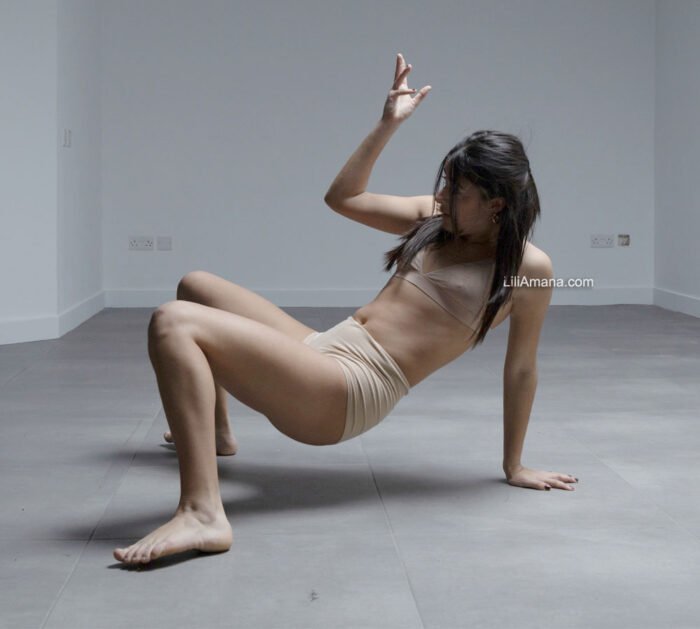
The Raw Experiment
I decided to skip the mechanic and technical methods. Presuming that we are all human and drawing is a skill that can be trained, I believed I could do it if I just tried. I am naturally repelled by all mechanic formulas.
So I began practicing with charcoal—no grids, no “1/2 or 1/3” measuring rules. I would spend hours or even days on a single drawing, going back and forth, drawing and erasing. I made progress. When drawing from a reference photo at the same ratio, I did a pretty good job. Drawing larger than the reference photo was a challenge, but with practice, I started getting good results.
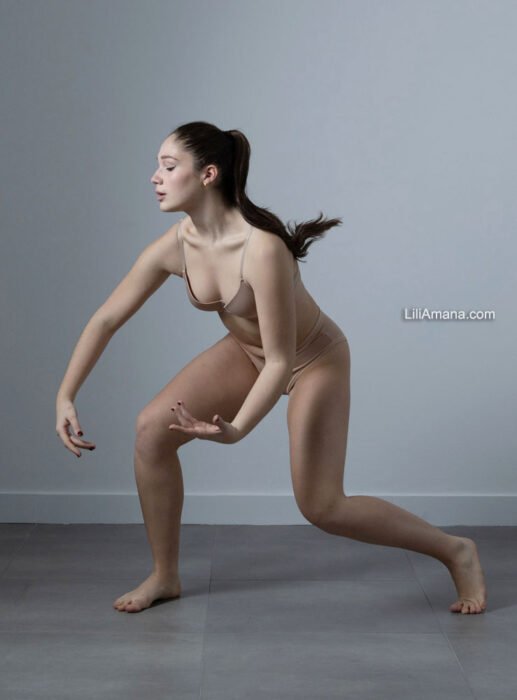
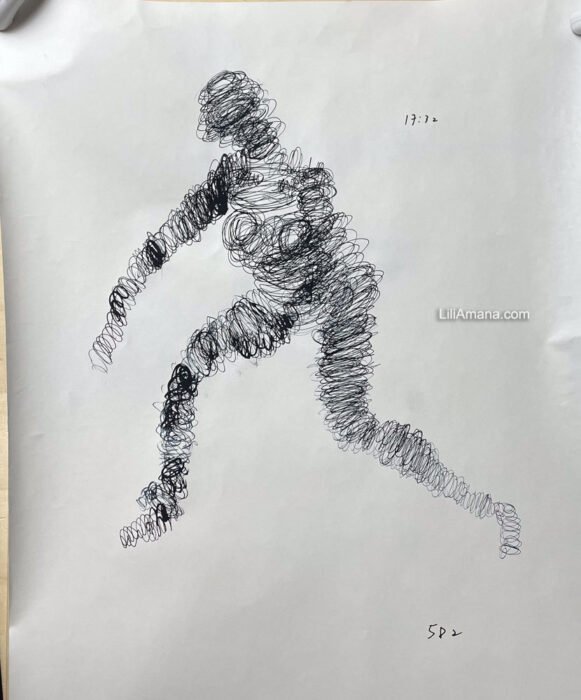
This experiment taught me that anyone can do this without a formula. I don’t have a formal art education; I have a degree in International Trade. If I can do it, everyone can. You don’t need the grid or the formulas to be able to draw.
Why Everything Finally Clicked
When I found The Natural Way to Draw, everything clicked. Nicolaïdes writes that “the job of the teacher is to teach students, not how to draw, but how to learn to draw”. This was exactly what I was looking for: a way to train myself to draw in a natural way.
The only problem was the original schedule. I don’t want to draw for three hours a day and neglect my other commitments. That is why I am redesigning the schedules into a manageable one hour a day.
I am currently on Week 13. The biggest lesson so far? If I don’t train my observation, I will never be able to draw from imagination or experience. Nicolaïdes is right—the exercises like the Right-Angle Study, Memory Drawing, and the Daily Composition are specifically designed to train that “observation memory”. I’m excited to keep sharing what I find as I “debug” this legendary method.
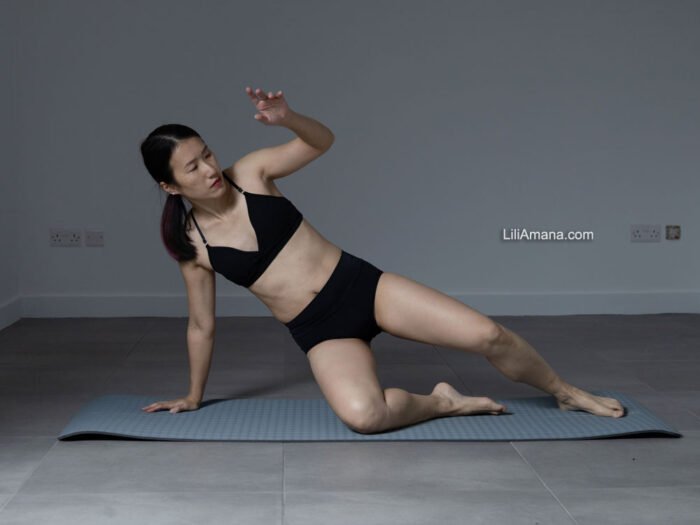
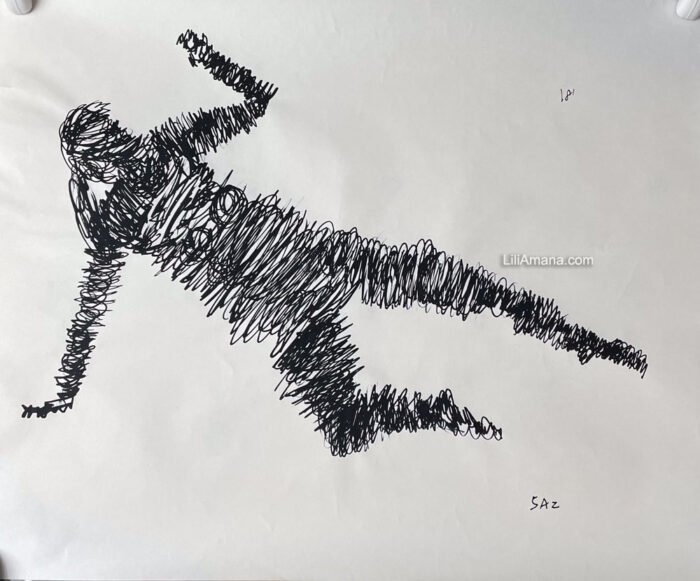
My thoughts on Week 5:
The Mental Cage: When Practice Feels Like Prison
I started to resent the practice. I don’t know what I’m doing and I can’t remember any pose in the Memory Drawing exercise. I am edgy and irritated. I just want to finish it; I don’t even care what I put down.
Memory drawing totally took me out of my comfort zone. It confronted the fact that I can’t really remember the poses, and I draw poorly because of it. I was not present. I kept thinking about the rest of the day’s tasks and how next week I’ll be short on time due to many studio appointments. I felt I must get on and finish work before feeling overwhelmed.
It started to feel like a chore. Being not present makes me suffer. It should be a privilege or a luxury to make time for this, but I feel caged. No one is pointing a gun to my head; it is just a commitment I made to myself. I do not see myself quitting, even though I feel imprisoned in this one hour. There is no way out but to keep doing it. I am waiting for my mind to give up and stop fighting. Just keep pushing forward.
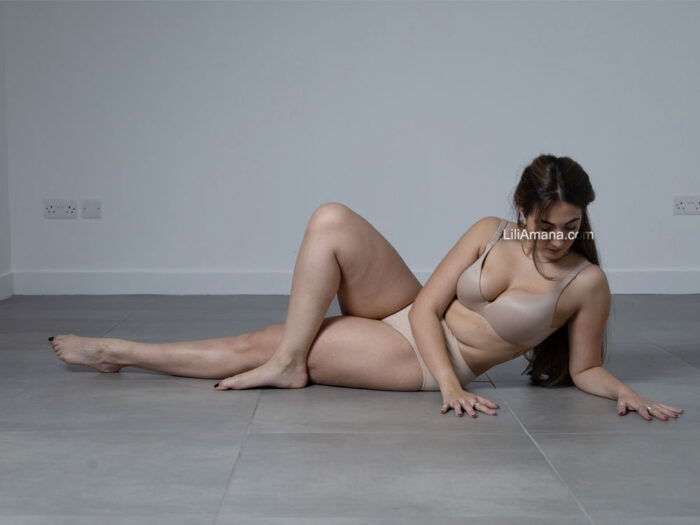
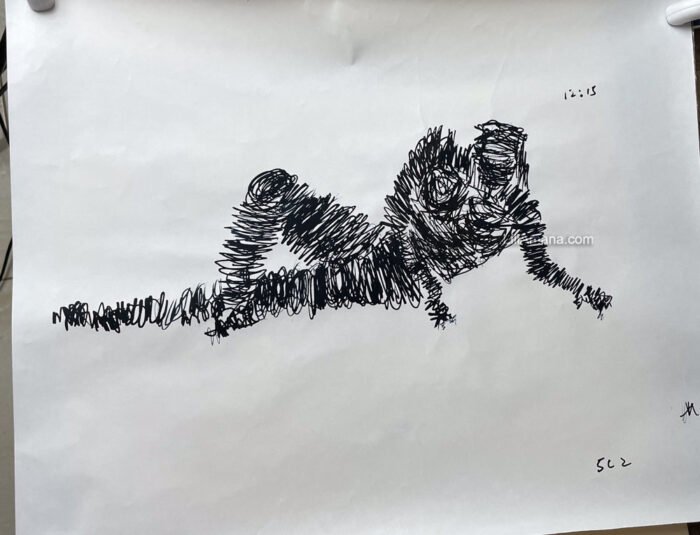
Debugging the Friction: The Video Timer Solution
I feel my timing method got in the way. It took me 1.5 hours or more to finish the daily challenge, and I am not happy about that. To take away the frustration, I must improve the system.
- The System Upgrade: I started making reference photos into a timed video.
- The Data Result: This saves me from manually changing photos and using a phone timer. It used to take 1.5 hours, but now it’s just a little over an hour.
- The Lesson: Having everything prepared speeds up the process and protects concentration.
Returning to Charcoal and “Dopamine Detox”
I picked up charcoal drawing again after a while. I was never one to care about the accuracy of the drawing compared to the reference photo. I believe the photo is there to evoke an emotion, a feeling, and movement—it’s up to the artist to have their own interpretation.
Memory drawing is difficult, especially if you are like me and were overstimulated by social media at some point. It reduces short-term memory and causes a short attention span. As soon as I realized this, I started a dopamine detox to reclaim my focus.
The Breakthrough: Proportions Without Math
Despite the frustration, the “Debug” data shows real progress. Completing the schedule today, my charcoal figure drawing was done almost on the first try. I wasn’t particularly careful—I just drew—and the proportions were right. This never happened before; usually, there is a lot of wiping off.
Nicolaïdes’ method really works. Daily gesture drawing helps me get the proportion right without measuring. Measuring is super boring for me; it’s mathematics, not expression. In the beginning of the book, Nicolaïdes said:
“Do not worry about the ‘proportions’ of the figure. That problem will take care of itself in time.”
Weekly Review
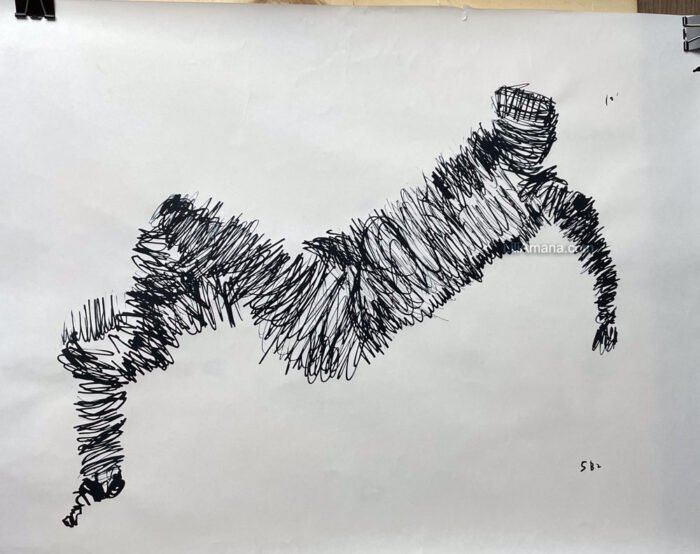
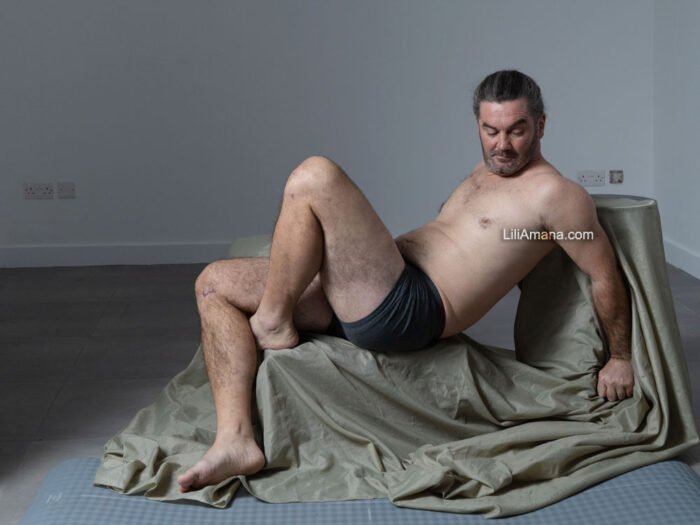
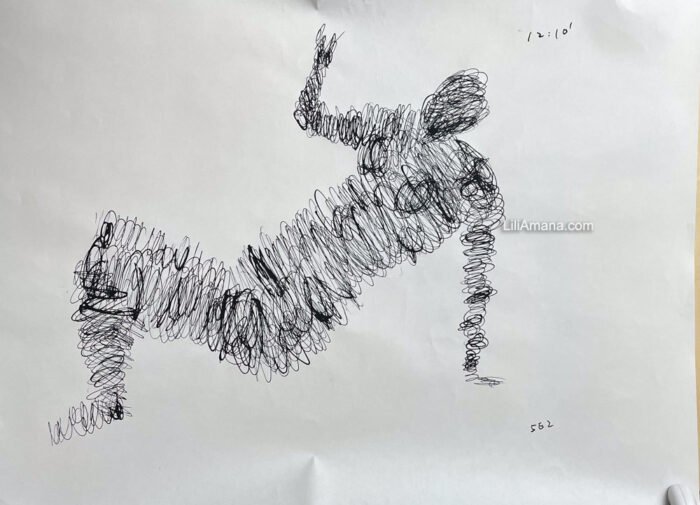
Reviewing Friday’s drawings, I see good gesture drawings with complex poses. Most of them look good. I’m getting there. Memory drawings are also improving, even if the accuracy of the poses isn’t perfect yet.
Join the Challenge
I am launching the full 25-week video challenge in July/August. Subscribe to this newsletter to get the early-bird discount and my high-resolution reference photos when doors open.
Happy Drawing!
Lili Amanda