Week 2 – Gesture Drawing for Beginners: How to Capture Movement in 1 Minute
- Exercise Spice: 🌶️🌶️🌶️ (3/5 – Flash poses and floor angles!)
- Caffeine Consumption: ☕️☕️☕️☕️ (4/5 – High brain-power week)
- Focus Drift: 🙄🙄 (2/5 – Poses kept me on my toes)
- Aha! Moment: 💡💡💡💡 (4/5 – Clothing folds make cross-contour way easier)
- Materials: pencil and papers.
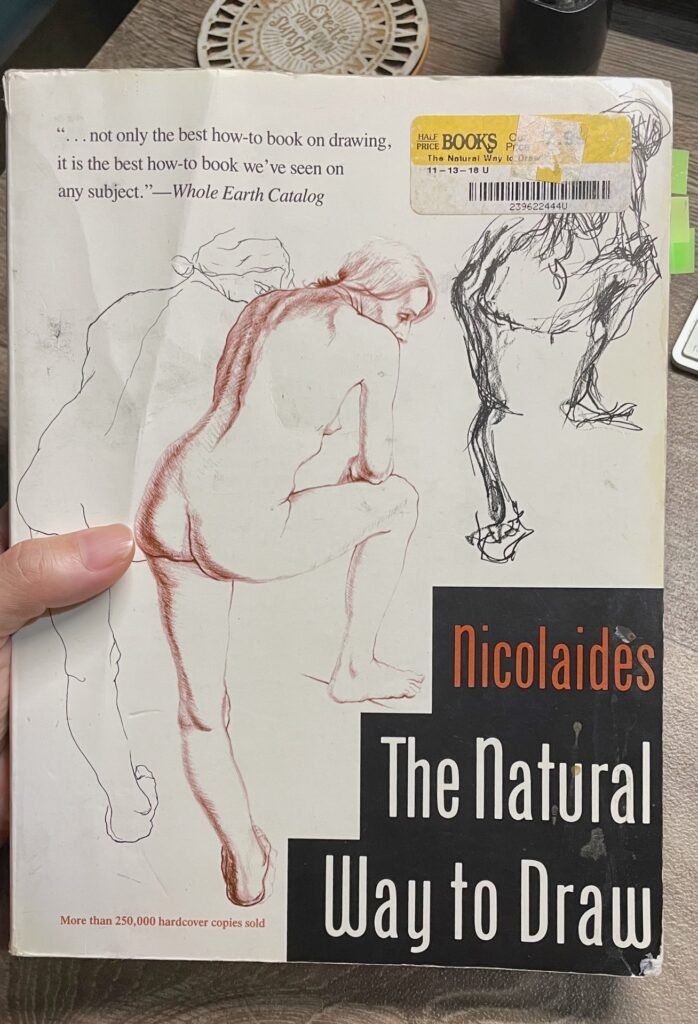
New here? Welcome to the studio! If this is your first time reading, I’m Lili Amanda—a portrait photographer in Malta who taught myself to draw by adapting Kimon Nicolaides’ iconic book, The Natural Way to Draw, into a daily 1-hour habit.
Quick note on how this works: I don't re-teach the exact step-by-step textbook instructions here—you'll want the book for the official exercises! Instead, these weekly posts are my raw studio notes, practical setup hacks, and honest thoughts as I work through all 25 weeks. If you want to follow along with the exact same schedule and draw with my custom, kid-friendly dancer reference photos, you can [Join on Patreon for Free] to grab your Week 1 pack!
Front vs. Back: Noticing Relationships in Space
As I worked through the exercises this week, I started noticing the physical relationship between body parts in the front and back. Paying attention to how size differences indicate position in space helps enormously with capturing depth.
The Chaos of Flash Poses
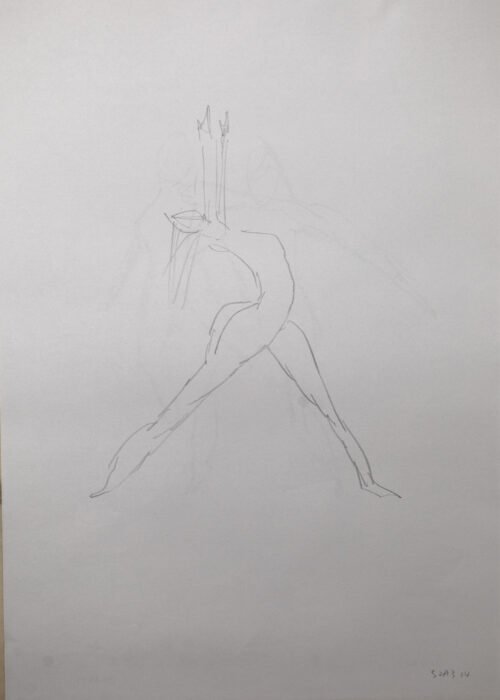
Flash poses are insanely challenging. The reference image appears briefly, and then you have to draw it entirely from memory. My brain forgot the pose almost instantly, and I ended up just scribbling wildly!
Nicolaides doesn’t cover how to “correct” a gesture that wasn’t done properly, but I’ve realized that gesture isn’t about fixing lines—it’s about capturing energy. If a flash pose feels completely off, you don’t erase it; you just move on to the next one and let your memory sharpen over time.
Contour Drawing as an Overstimulation Test
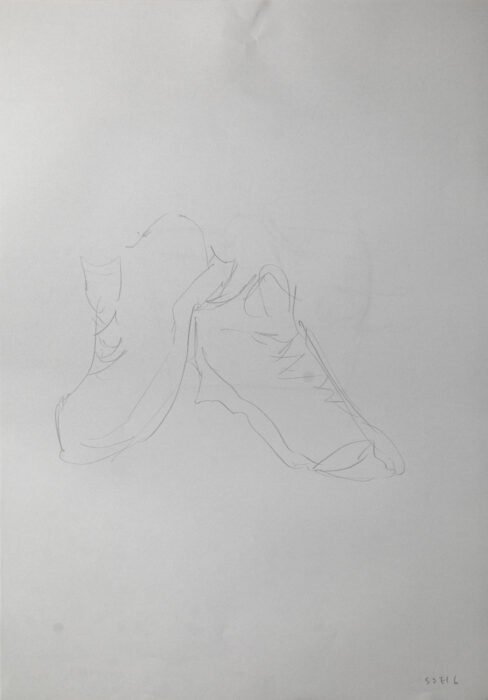
Contour drawing remains a massive test of patience due to its extremely slow pace. We live in a fast-paced society with constant social media stimulation, which has drastically reduced our attention spans.
Dragging a line at a snail’s pace acts like a mirror—it immediately reveals whether your brain is overstimulated. If you find drawing slow to be irritating or unbearable, treating your daily hour as a intentional “dopamine detox” away from screens will do wonders for your focus.
📸 Studio Reference Note:
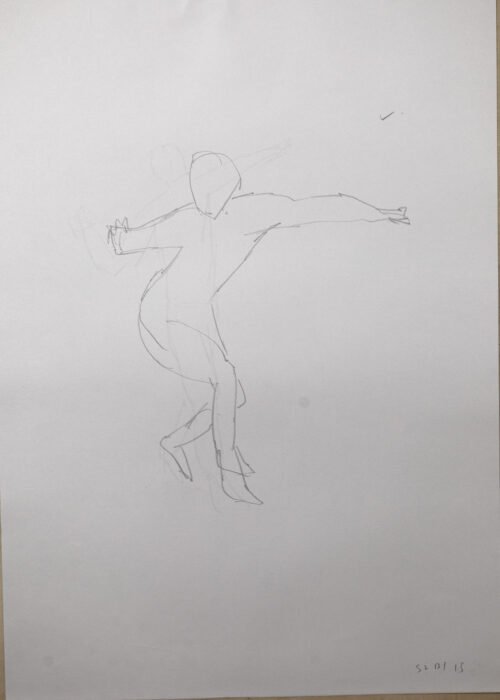
Finding clear, well-lit art references that are safe to open around family or in public can waste half your drawing time. All references used in this challenge are from my custom photo library—shot with local Maltese dancers, fully clothed, family-friendly, and lit specifically for edge and form definition.
Want to draw along with us? [Join our Patreon community for FREE] to download the Week 1 reference photo pack, grab your daily schedule, and start building your 1-hour habit today!